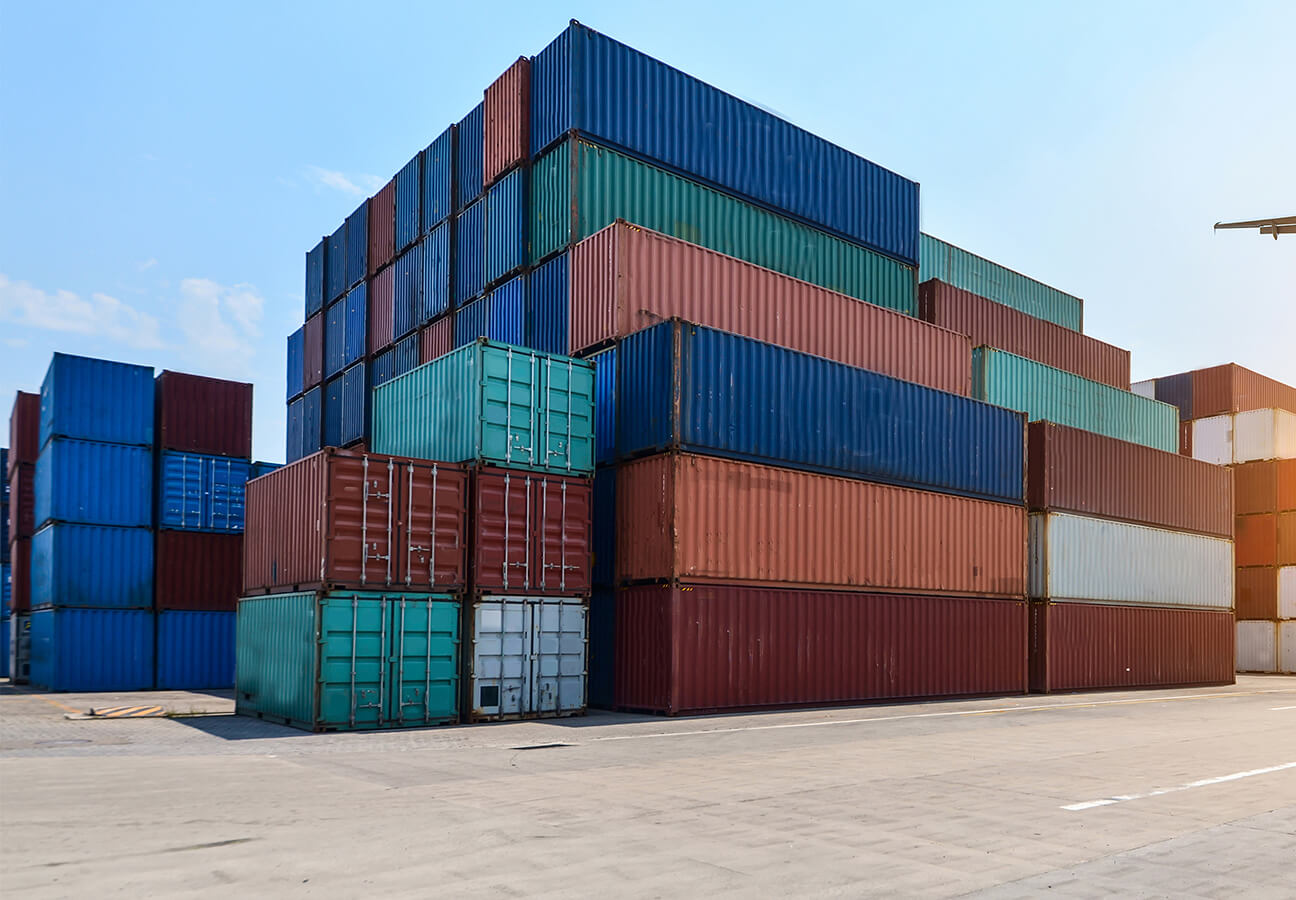
A decade ago, asking where your shipment was meant calling a carrier’s 1-800 number, waiting on hold, and being told it was ‘in transit.’ Today, supply chain visibility has been transformed by GPS telematics, IoT sensors, carrier API integrations, and predictive analytics platforms that give shippers — and their customers — live, actionable data at every point in a shipment’s journey. If your logistics partner can’t tell you exactly where your freight is right now, it is time to find a new one.
The Layers of Modern Freight Tracking
Real-time freight tracking is not a single technology — it is a layered system of data sources that, when integrated correctly, produces a continuously updated picture of a shipment’s location, condition, and estimated arrival time.
GPS Telematics on Trucks and Drivers
Every truck in a modern carrier network is equipped with an Electronic Logging Device (ELD), now mandated by the FMCSA. ELDs track vehicle location, speed, and driver hours of service in real time. The best Transportation Management Systems (TMS) aggregate GPS data from thousands of carrier ELDs into a single tracking platform accessible to shippers.
Carrier API Integrations
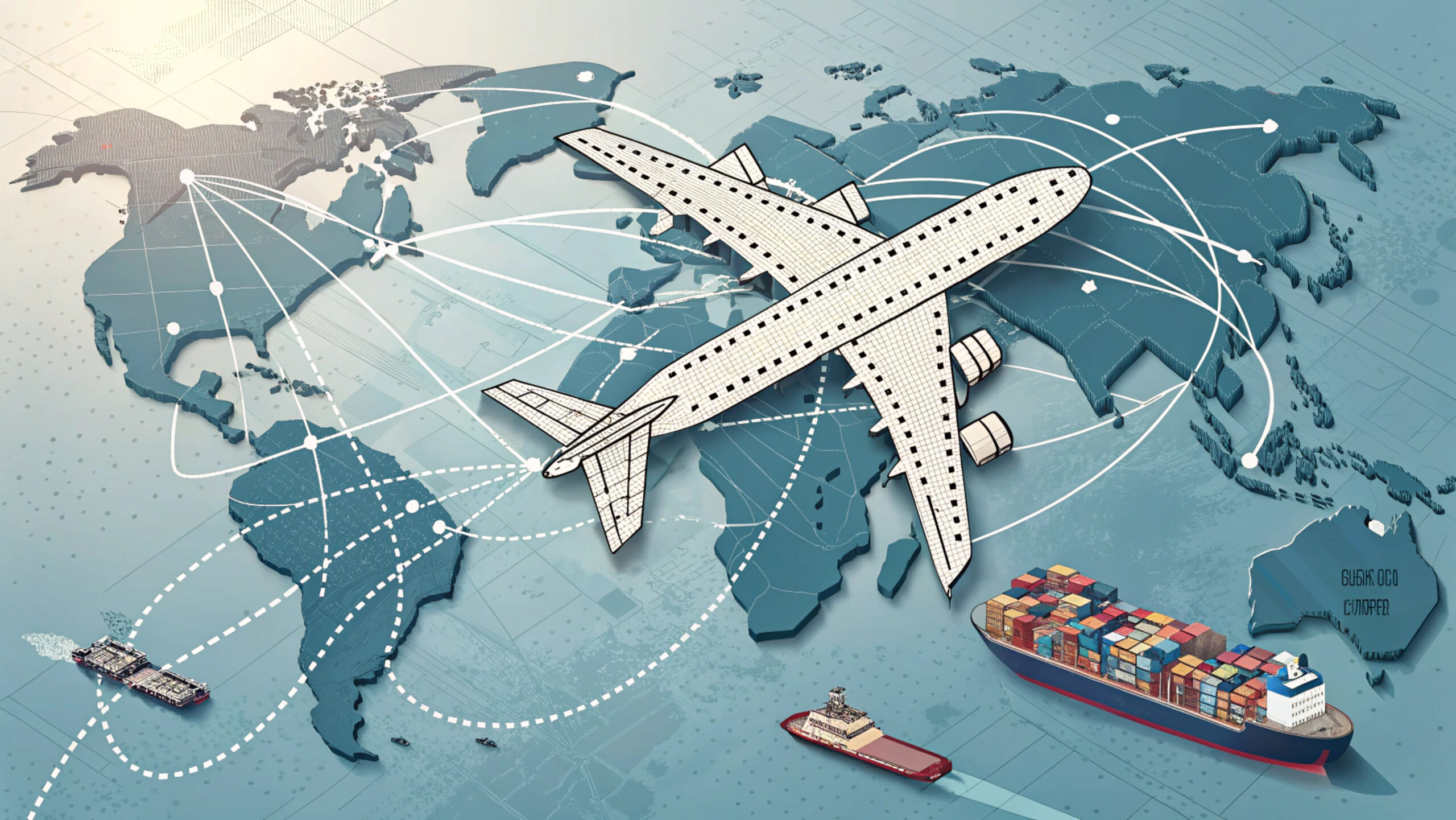
For international air and ocean shipments, tracking data comes from carrier and airline APIs that publish scan events at each physical checkpoint: origin facility, export customs, departure, arrival, import customs, and out-for-delivery. A sophisticated freight forwarder aggregates these scan events from hundreds of carrier APIs into a unified tracking experience — so you don’t need to log into 10 different carrier portals.
IoT Condition Monitoring
For temperature-sensitive, high-value, or fragile cargo, IoT data loggers placed inside the shipment record temperature, humidity, shock, and light exposure at intervals of minutes — creating a verifiable chain of custody record. This data is transmitted in real time via cellular networks and is available in the shipment portal alongside location data.

The Business Value of Real-Time Visibility
Real-time tracking is not just a convenience feature — it has measurable business value across the supply chain:
- Inventory planning: Knowing precisely when a shipment will arrive allows you to plan labor, dock scheduling, and downstream distribution more accurately, reducing both overstock and stock-out scenarios.
- Customer experience: In the e-commerce era, proactive shipment notifications — dispatched, in transit, out for delivery, delivered — are a baseline customer expectation, not a premium feature.
- Exception management: Real-time visibility enables your logistics team to identify delays, diversions, or anomalies as they happen — not after the fact when options are limited and costs are higher.
- Claims and liability: In the event of loss, damage, or delay, a complete tracking and condition monitoring record is essential for filing a successful cargo insurance claim. Gaps in tracking data create gaps in your coverage.
- Carrier accountability: When your carriers know their performance data is being monitored in real time and benchmarked against your service level agreement, on-time performance improves.
What to Ask Your Logistics Partner About Tracking
Not all tracking capabilities are equal. Here are the questions that separate genuine real-time visibility from the illusion of it:
- Do you have direct API integrations with carriers, or do you rely on manual status updates?
- What is the refresh frequency of tracking data? (Anything over 15 minutes is not truly ‘real-time’ for ground freight)
- Do you provide proactive exception alerts — or do I have to check the portal myself to discover a delay?
- Can I share tracking links directly with my customers or integrate your tracking API with my own website or app?
- Is IoT condition monitoring available for temperature-sensitive or high-value shipments?
- What is the tracking coverage for international shipments? Does visibility disappear once it crosses the border?
Final Thoughts
In 2025, real-time freight tracking is table stakes for any serious logistics partnership. It is the foundation of inventory planning, customer experience, exception management, and carrier accountability. If your current freight provider can’t give you live, accurate, multi-modal visibility on every shipment — domestic and international — you’re operating with a strategic disadvantage. Smart Delivery’s TMS platform was built specifically to close that visibility gap.



Leave a comment